Head & Neck Cancers
Mouth, throat, voice box and related cancers.
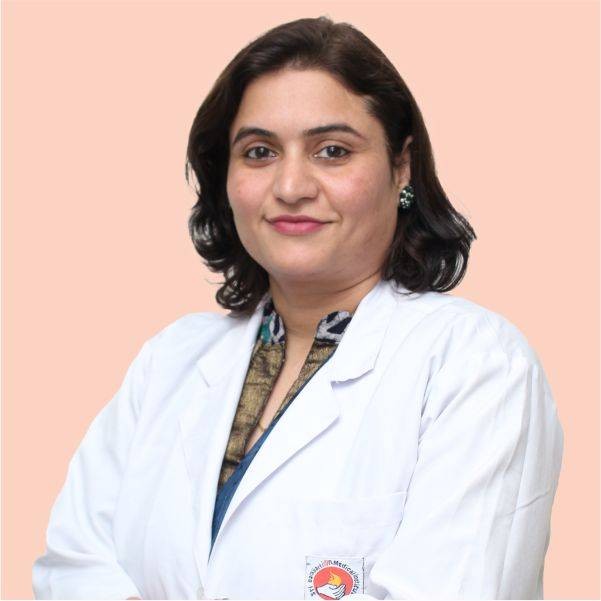
Dr. (Lt Col) Chhavi Arora plans and delivers modern radiotherapy at Action Cancer Hospital, bringing 18+ years of experience, first in the Armed Forces and then in leading Delhi cancer centres.
Armed Forces Medical College, Pune
ArmyArmed Forces medical institutes and hospitals
ArmyArmy Hospital (Research & Referral), New Delhi
ArmyArmy Hospital (Research & Referral), New Delhi
ArmyBLK-Max Super Speciality Hospital, New Delhi
CivilAction Cancer Hospital, New Delhi
CivilDr. (Lt Col) Chhavi Arora is a radiation oncologist experienced in all aspects of radiation and clinical oncology, from 2D therapy to the most advanced high-precision techniques.
Dr. Chhavi trained at the Armed Forces Medical College, Pune, and completed a DNB in Radiation Oncology at the Army Hospital (Research & Referral), New Delhi, then served there as Assistant Professor and Graded Specialist for three years. Dr. Chhavi then spent four years as Associate Consultant at BLK-Max Super Speciality Hospital before joining Action Cancer Hospital as Consultant.
Dr. Chhavi is trained in pain management and palliative care, has published in national indexed journals, and was principal investigator on an AFMRC research project in radiation.
Select a technique to see what it means for you.
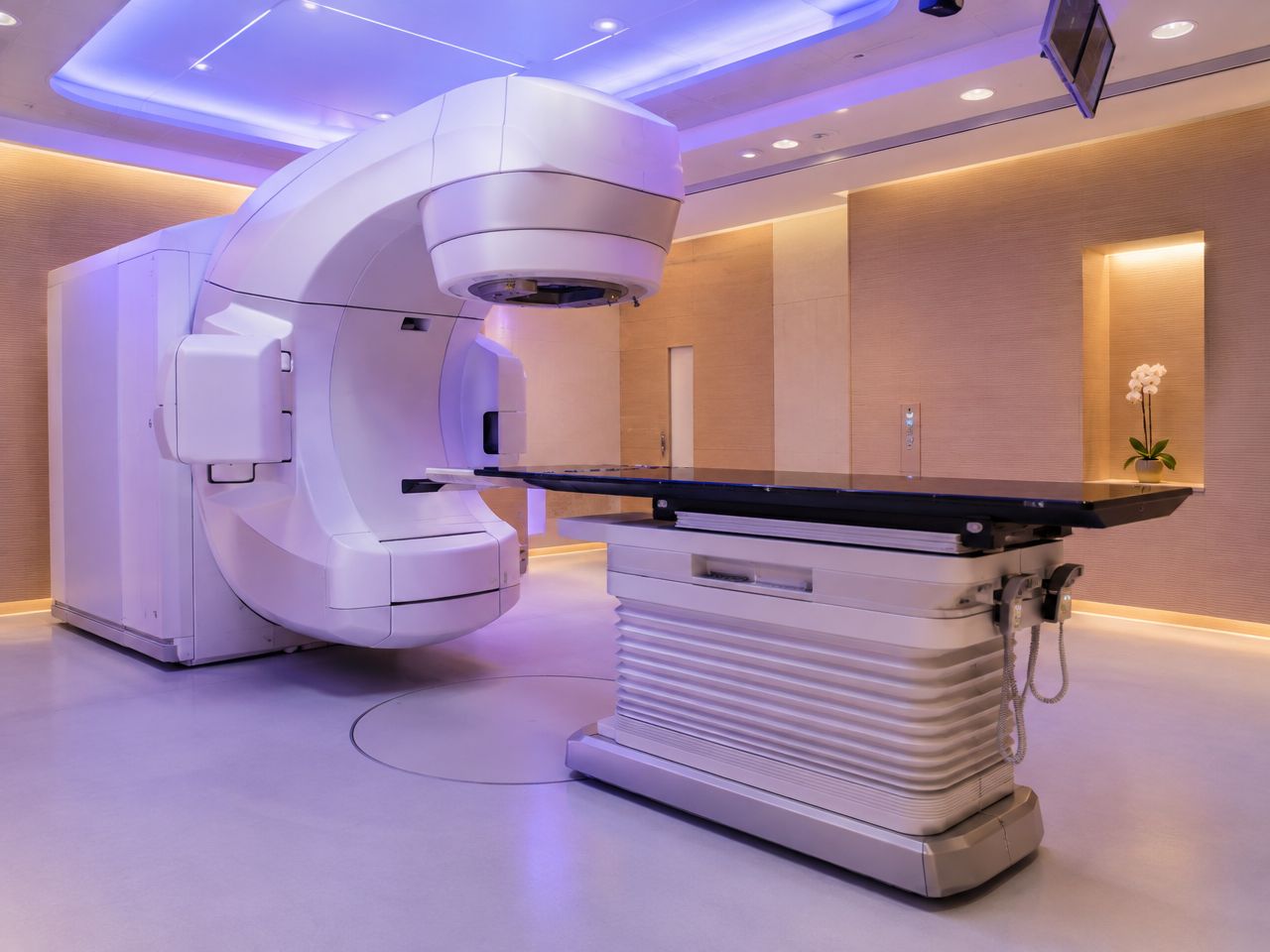
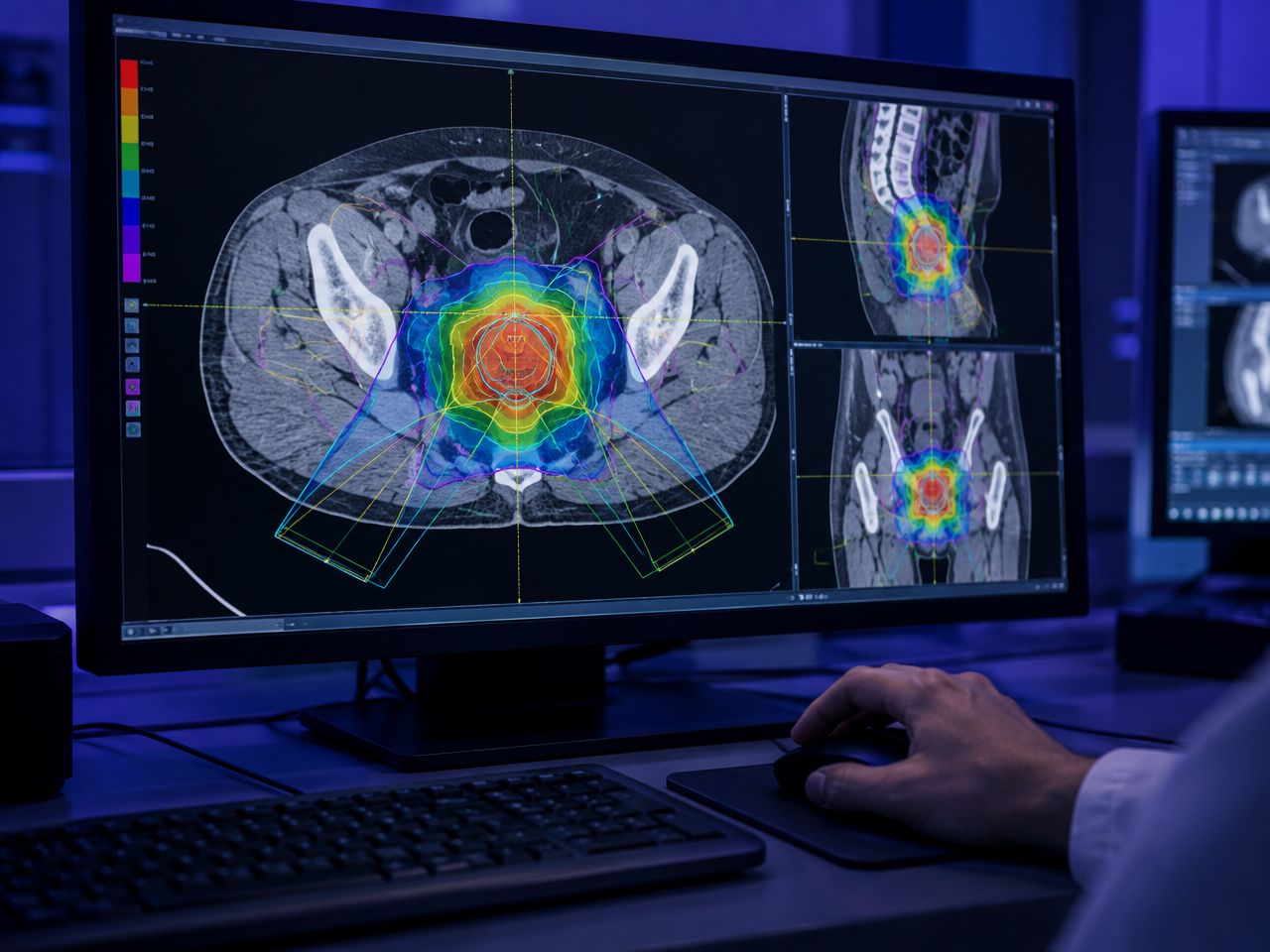
Shapes the strength of each beam so the tumour gets a high dose while nearby organs are spared.
Mouth, throat, voice box and related cancers.
Radiation after surgery and for advanced disease.
Cervix, uterus and other cancers, including brachytherapy.
Liver, bile duct, food pipe, stomach and bowel cancers.
Blood cancers and childhood cancers, including TBI.
Radiation and supportive care to ease symptoms and comfort.
Your reports are reviewed and the role of radiation in your treatment is explained.
A planning CT scan in the exact treatment position, sometimes with a mould or mask.
The team designs beams to cover the tumour and protect healthy organs.
Short daily sessions, usually painless, often over a few weeks.
Regular reviews to manage side effects and check the response.
The treatment itself is painless, like having an X-ray. Side effects such as tiredness or skin changes can build up over the course and are managed during your reviews.
No. With external beam radiotherapy you are not radioactive afterwards and can be with family, including children, as usual.
It depends on the cancer and the technique. Some courses take one to a few sessions, others are given daily over several weeks. Each session usually takes only minutes.
Many people continue their usual routine, with some adjustments for tiredness. Your plan and side effects are discussed with you before you start.
All biopsy reports, scans (with CDs or films), surgery notes and a list of current medicines.